



The world of online gaming is ever-evolving, with trends and technologies constantly redefining the player experience. One of the latest buzzwords capturing the attention of gamers globally is 'phtala'. While the term itself might sound enigmatic, its influence on the gaming industry is anything but ambiguous.
In recent years, game developers have been exploiting the capabilities of artificial intelligence, augmented reality, and cross-platform play to create more immersive and interactive experiences. Phtala has emerged as a concept that embodies these technological advancements, offering players a seamless integration of these elements into cohesive and engaging gameplay.
As of 2025, the competitive landscape of the gaming industry has shifted notably. The rise of eSports and streaming platforms has changed not only how games are consumed but also how they are developed. Phtala is setting a new standard for what players expect from their gaming experiences, emphasizing real-time interaction and adaptive content.
Commentary on this trend suggests that phtala could be the bridge between current gaming platforms and the metaverse—a comprehensive virtual reality space where users can interact with a computer-generated environment and other users. While this might seem futuristic, companies within the gaming sector are already investing heavily in such innovations.
Reports indicate that gaming communities are thriving, with the collaboration between players and developers fostering unprecedented creativity and community involvement. Developers are leveraging phtala to deliver tailored experiences that respond to player inputs and choices in real time, enhancing both the personal and collective gaming narrative.
The dynamic nature of gaming ensures that the industry must stay responsive to these changes. The phtala phenomenon exemplifies this adaptability, promising to not only broaden the scope of interaction within games but also extend beyond traditional gaming boundaries into more socially connected and interactive domains.
In conclusion, while phtala is still in its nascent stages, its implications for the future of online gaming are profound. It represents a transformative approach where gamers are not just participants but active contributors to the gaming ecosystem. As the adoption of these technologies becomes more widespread, we can expect to see an entirely new era of gaming underpinned by the principles exemplified by phtala.

An exploration of emerging trends and technological advancements shaping the gaming landscape, highlighting the significance of platforms like 'phtala'.

Explore the transformative impact of gaming platforms like 'phtala' in 2025's digital landscape.
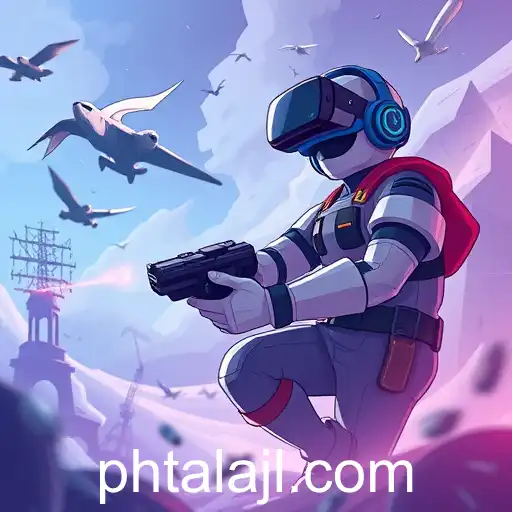
Exploring the impact of the keyword 'phtala' in the dynamic landscape of English gaming websites for 2025.

An exploration of Phtala's influence on the gaming industry and the emerging trends shaping the future of gaming.

Explore the evolution of gaming in the 2020s with a focus on the game platform phtala, new technologies, and industry dynamics.

The latest trends and developments in online gaming are shaping the industry's future, with Phtala leading the charge.
